Top florists on Chamberlayne Road for weddings
Posted on 02/10/2026
If you are planning a wedding near Chamberlayne Road, the florist you choose can shape the whole feel of the day. Flowers do a lot of quiet heavy lifting. They set the tone as guests arrive, pull the ceremony together, soften the reception space, and make those photos look a little more alive. When people search for the Top florists on Chamberlayne Road for weddings, they are usually after more than pretty bouquets. They want calm communication, reliable delivery, wedding know-how, and someone who understands that no two couples want the same thing.
This guide breaks down how to choose well, what a good wedding florist actually does, where mistakes tend to happen, and how to plan flowers that suit your venue, budget, and timeline without the usual last-minute drama. Truth be told, wedding flowers can feel simple at first, then suddenly there are buttonholes, centrepieces, colour palettes, and one aunt with strong opinions. Let's make it easier.
Table of Contents
- Why Top florists on Chamberlayne Road for weddings Matters
- How Top florists on Chamberlayne Road for weddings Works
- Key Benefits and Practical Advantages
- Who This Is For and When It Makes Sense
- Step-by-Step Guidance
- Expert Tips for Better Results
- Common Mistakes to Avoid
- Tools, Resources and Recommendations
- Law, Compliance, Standards, or Best Practice
- Options, Methods, or Comparison Table
- Case Study or Real-World Example
- Practical Checklist
- Conclusion
- Frequently Asked Questions
Why Top florists on Chamberlayne Road for weddings Matters
Wedding flowers are not just decoration. They influence atmosphere, photography, guest experience, and how polished the whole event feels. In a busy London setting, especially around a local stretch like Chamberlayne Road, having a florist who knows the rhythm of the area can make the planning process smoother and far less stressful.
There is also a practical side that gets overlooked. A wedding florist needs to understand timing, transport, flower freshness, stem conditioning, venue access, and what can actually be installed safely and efficiently on the day. A bouquet may look effortless in the finished photos, but there is usually a lot going on behind the scenes. The difference between a pleasant experience and a chaotic one often comes down to the florist's systems.
For couples, the value is simple: better flowers, fewer worries, and a look that feels intentional. For guests, the experience is subtle but memorable. You walk into a room and immediately feel whether the styling has been thought through. That first impression matters more than people sometimes admit.
And if you are comparing several wedding florists, you will notice that the strongest ones tend to do the basics brilliantly: they listen properly, explain honestly, and keep the process grounded. No unnecessary fluff. No vague promises. Just clear planning and good execution.
How Top florists on Chamberlayne Road for weddings Works
In practical terms, wedding floristry usually starts with a consultation. That may be in person, over the phone, or by message exchange depending on the florist's setup. You discuss the venue, the date, the style of the wedding, the colour palette, the bridal party flowers, and any key focal points such as the ceremony table or reception centrepieces.
The florist then translates your ideas into a workable plan. That plan should take into account seasonality, stem strength, size, colour harmony, and how long each flower will last out of water. This is where experience really shows. A good florist does not just say yes to everything. They help you choose blooms that look beautiful and behave well on the day, which is not always the same thing.
For weddings near Chamberlayne Road, logistics matter too. Delivery timing, access to the venue, parking, and setup windows can affect the flowers more than people expect. A florist who is used to wedding work will think about whether arrangements need to be assembled on site, whether bouquets can be delivered early, and how to keep delicate pieces fresh if the ceremony starts later in the afternoon.
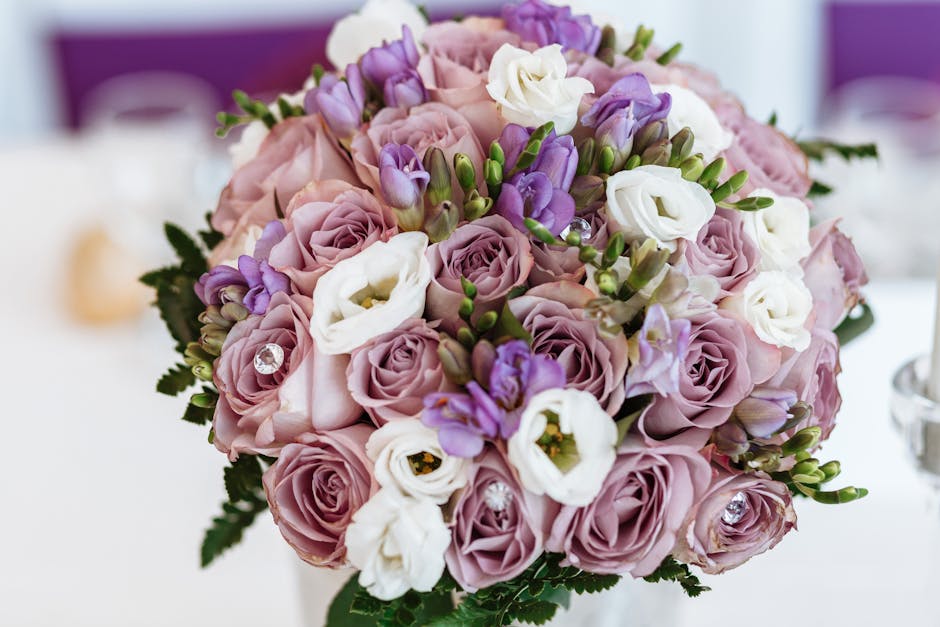
There is also a design layer. Some couples want romantic and loose, others want sleek and structured, and some want something that sits in the middle. The best florists can adapt to that. They may suggest something like a bridal bouquet paired with matching bridesmaid flowers from the same collection, such as a classic bridal bouquet option alongside coordinated pieces, or a fuller wedding set through the wedding collection when the whole scheme needs to feel joined up.
One small but useful detail: wedding flowers often need more communication than standard gift orders. That is normal. It is not fussy. It is just the nature of a one-day event where everything has to land at the same time.
Key Benefits and Practical Advantages
Choosing a florist with strong wedding experience brings benefits that go beyond appearance. Here are the ones that matter most in real life.
- Consistency: The flowers, colours, and style stay aligned across bouquets, buttonholes, centrepieces, and ceremony pieces.
- Better freshness: Wedding flowers are selected and handled with timing in mind, so they look their best when guests arrive.
- Less stress: A florist who knows the process can reduce the amount of chasing and second-guessing.
- Venue fit: Some flowers suit tables, some suit arches, some suit handheld arrangements. Good florists know the difference.
- Budget control: A skilled florist can often suggest substitutions or smarter designs that still look premium.
- Photographic impact: Flowers that hold shape and colour well usually look better in daylight, indoor lighting, and after the first round of photos.
Another practical benefit is coordination. Weddings have enough moving parts already. Flowers should support the day, not become another source of tiny panic. You know the feeling: one person asks where the buttonholes are, another wonders if the bouquet will match the dress, and suddenly everyone is using the phrase "just checking." A good florist helps shut that noise down.
If you are planning a more modest wedding, a focused selection can still feel special. For example, a smaller bouquet with matching table flowers may be enough to create a polished look, especially when paired with thoughtful stems from options such as wedding table arrangements or simple bridal-party pieces.
Who This Is For and When It Makes Sense
This topic matters for several types of couples and planners.
- Local couples who want a florist that is easy to contact and practical with delivery.
- Venue-led planners who need flowers to suit a specific room, table layout, or ceremony setup.
- Budget-conscious couples who want tasteful flowers without overspending.
- Style-focused couples who care about colour matching, bouquet shape, and a cohesive visual story.
- Last-minute planners who need a florist that can work quickly and still keep standards high.
It also makes sense if you are comparing florists for a wedding in the wider Kensal Green and Chamberlayne Road area, where delivery timing and local familiarity can be useful. Not every wedding needs a huge floral build. Sometimes the smartest choice is a carefully chosen bridal bouquet, a few buttonholes, and one or two focal arrangements that do the visual work for you.
If you are unsure whether to go small or large, ask yourself this: what do you actually want flowers to do? Frame the ceremony? Add colour to the photos? Make a simple venue feel warmer? Once you answer that, the decision becomes much easier. Funny how that works.
Step-by-Step Guidance
Here is a straightforward way to choose and brief a wedding florist without overcomplicating the process.
- Start with the venue and date. Before you think about peonies or roses, decide what the flowers need to work with. A bright room, a darker reception space, and an outdoor ceremony all need different handling.
- Set the priorities. Decide which pieces matter most: bouquet, bridesmaid bouquets, buttonholes, ceremony display, table arrangements, or all of the above.
- Choose your style language. Words like romantic, modern, classic, natural, bold, and understated help the florist understand your taste quickly.
- Share visual references carefully. A few images are helpful. Twenty images, less so. Keep them focused, otherwise the brief turns into a mood board soup.
- Ask what is seasonal. Seasonal flowers are often fresher and better value, and the florist may suggest similar-looking alternatives if a specific bloom is not ideal for your date.
- Confirm delivery and setup. Make sure you know what arrives where, at what time, and who is responsible for placement.
- Check the final list. Count bouquets, buttonholes, corsages, table pieces, and any extras. The small bits are the ones that get forgotten.
A useful habit is to ask for a simple written summary after the consultation. It does not have to be fancy. It just needs to confirm the essentials: items, colours, approximate style, and delivery expectations. That one step can save you a whole lot of back-and-forth later.
Expert Tips for Better Results
In our experience, the weddings that look effortless are usually the ones that were planned quite carefully. Here are the little details that make a big difference.
1. Be realistic about flower choice
Some flowers are gorgeous but delicate. Others are sturdy but not as soft-looking. A strong florist will help you balance beauty with practicality. If your wedding is in warm weather or flowers will be on display for several hours, durability matters more than people think.
2. Match flowers to the venue mood, not just your favourite colour
A bouquet that looks lovely in a close-up may feel too heavy in a small room. Likewise, a very pale design can disappear in a dim reception space. Think about the setting as well as the stems.
3. Keep the bridal bouquet as the anchor
The bridal bouquet often sets the tone for the rest of the design. Once that is right, bridesmaid bouquets, buttonholes, and table flowers can follow naturally. It is a bit like choosing the main chord before the melody.
4. Ask about substitutions before they happen
If a favourite flower is unavailable, the florist should be able to suggest alternatives that preserve the style rather than the exact stem. That is normal in wedding floristry. Good substitutes are part of the craft.
5. Don't ignore scent
Some flowers have a strong fragrance. That can be wonderful, or a little much, especially in enclosed spaces. If you or key guests are sensitive, mention it early.
One small, very human tip: if you are torn between two styles, pick the one that will still look good when you are tired at 10pm and the cake has been cut. Weddings are lovely, but they are long days. Pick flowers that will carry you through the whole thing.
Common Mistakes to Avoid
People often make the same few mistakes when booking wedding flowers. Avoiding them can save time, money, and quite a bit of stress.
- Leaving flowers too late: Wedding florists need lead time, especially for larger or more detailed designs.
- Giving vague instructions: "Nice and elegant" does not tell a florist much. Be specific about the feeling you want.
- Over-ordering from pressure: More flowers are not always better. Extra pieces can crowd the venue.
- Ignoring delivery logistics: A beautiful arrangement is no use if it arrives at the wrong time.
- Mixing too many styles: Combining every trend you like can create visual noise instead of harmony.
- Forgetting the small items: Buttonholes, corsages, and registrar table flowers are easy to miss until the week before.
Another common issue is assuming the florist already knows the venue. Maybe they do, maybe they do not. Do not guess. Send photos, share access notes, and explain the timing. Simple, but it matters.
Tools, Resources and Recommendations
You do not need complicated planning tools to organise wedding flowers well, but a few basics help a lot.
- A mood board: Keep it limited to a clear style direction.
- A guest and wedding-party list: Helps avoid missing buttonholes or corsages.
- Venue photos: These give the florist a sense of scale, light, and table space.
- A simple colour palette: Even three main colours can be enough.
- A timing sheet: Helpful for delivery, setup, and photography.
For product ideas, you can explore wedding-focused ranges such as bridal bouquets, bridesmaid bouquets, buttonholes, and corsages. If you want a more complete look, the wedding collection and other coordinated ranges can help keep the design consistent from ceremony to reception.
For broader planning support, it also helps to understand general flower quality and care expectations. A florist who talks plainly about freshness, delivery, and aftercare is usually a better sign than one who only talks in dreamy language. Pretty matters, yes. Practical matters too.
Law, Compliance, Standards, or Best Practice
Wedding floristry in the UK is not usually a heavily regulated service in the way some trades are, but there are still sensible standards and responsibilities to keep in mind. A professional florist should handle stock safely, describe products accurately, and follow fair trading and consumer expectations when taking orders or payments.
From a practical standpoint, best practice includes clear order confirmations, transparent delivery arrangements, and reasonable communication if substitutions are needed. If you are placing a bespoke wedding order, it is wise to confirm what is included, what is not, and what happens if there are flower supply issues. Small misunderstandings become expensive on a wedding day. No one wants that.
Accessibility is another thoughtful consideration. If a florist or venue needs delivery instructions, loading guidance, or access notes, share them early. It helps protect the flowers and makes the whole setup smoother. You may also want to ask about sustainability practices, especially if that matters to you. Some couples prefer seasonal flowers, reduced packaging, or reusable containers where possible.
On the customer side, reading the terms, refund policy, and delivery information before you book is just good sense. Not glamorous, I know, but it does prevent headaches. A wedding is too important for unclear details.
Options, Methods, or Comparison Table
When choosing wedding flowers, most couples end up somewhere between three broad approaches. None is automatically better. It depends on budget, venue, and the look you want.
| Approach | Best for | Strengths | Watch-outs |
|---|---|---|---|
| Minimal bridal set | Smaller weddings or tight budgets | Focused, elegant, easier to manage | May feel too simple if the venue is large |
| Coordinated wedding collection | Cohesive styling across the day | Consistent design and easier planning | Needs more lead time and clearer brief |
| Full floral styling | Large weddings or design-led events | Strong visual impact and layered detail | Higher cost and more delivery/setup planning |
If you are unsure which route to take, start with the ceremony and bouquet first. Those pieces usually have the most emotional and visual weight. Then build outward only if it still feels right. It is surprisingly easy to overdecorate a wedding. The room can breathe, you know?
Case Study or Real-World Example
Here is a realistic example based on the kind of brief many local couples give. A pair planning a late-summer ceremony near Chamberlayne Road wanted something romantic but not overly formal. They liked soft whites, blush pinks, and a little greenery, but did not want the flowers to feel stiff or overworked.
They started with a bridal bouquet, added a matching bridesmaid bouquet, a handful of buttonholes, and a few table arrangements for the reception. Rather than trying to fill the room with flowers everywhere, they concentrated on the places guests would actually notice: the aisle entrance, the top table, and the main guest tables. The result was calm, balanced, and far more elegant than a random scatter of arrangements would have been.
What made it work was not a giant budget. It was clear priorities and honest advice from the florist. The couple also asked for a flower mix that would hold well through the afternoon, which helped the arrangements still look fresh when the speeches began. That is the sort of detail you only really appreciate after the day. Beforehand, it just sounds practical. On the day, it is gold.
Sometimes the best wedding floral plan is the one that understands restraint. A few beautifully placed pieces can do more than ten crowded ones. Simple, but true.
Practical Checklist
Use this checklist before you confirm your wedding florist.
- Do you know your wedding date and venue access times?
- Have you decided which floral pieces are essential?
- Is your colour palette clear enough to brief someone else?
- Have you shared venue photos or layout details?
- Do you know whether the florist provides delivery and setup?
- Have you asked about seasonal alternatives?
- Is the bouquet style agreed in simple words and images?
- Have you counted all buttonholes, corsages, and table pieces?
- Do you understand the payment, changes, and cancellation terms?
- Have you confirmed the final delivery schedule closer to the date?
If all ten boxes are ticked, you are in a much stronger position. If a few are still open, no panic. Just get them sorted before the final week. That is where small details start to matter a lot.
Get a free quote today and see how much you can save.
Conclusion
Choosing the Top florists on Chamberlayne Road for weddings is really about finding someone who blends creativity with reliability. The best florist is not always the flashiest. It is the one who listens properly, understands the venue, respects the timeline, and can turn your ideas into flowers that feel personal and polished.
Whether you want a small, elegant bouquet-led setup or a fuller floral scheme across the ceremony and reception, the key is clarity. Know what matters to you, keep the brief focused, and work with a florist who gives straight answers. That is usually the path to wedding flowers that feel natural rather than forced.
In the end, flowers should make the day feel more like you. Not louder. Not busier. Just right. And that, to be fair, is what good wedding floristry is all about.
Frequently Asked Questions
How early should I book a wedding florist for Chamberlayne Road?
It is sensible to book as early as you can, especially if your date falls in a busy wedding season. Early booking gives you more choice, more time to refine the brief, and less pressure if you want something bespoke.
What flowers work best for wedding bouquets in the UK?
Popular choices often include roses, lilies, lisianthus, orchids, hydrangeas, and seasonal mixed blooms. The best choice depends on your style, budget, and the time of year. A good florist will guide you toward flowers that look lovely and hold up well.
Can a florist help if I only need a few wedding flowers?
Yes. Many couples only need a bridal bouquet, a few buttonholes, and perhaps one or two table pieces. A smaller order can still look elegant if the design is thoughtful and coordinated.
How do I make sure the flowers match my wedding colours?
Share clear colour references, fabric swatches if you have them, and a few images of the overall mood. Colour matching is easier when the florist can see the full picture rather than guessing from one vague description.
Should I choose seasonal flowers for my wedding?
Usually, yes. Seasonal flowers are often fresher, better value, and easier to source consistently. If you have a must-have flower that is out of season, your florist can suggest similar alternatives.
What is the difference between a bouquet and a centrepiece?
A bouquet is handheld, usually for the bride or bridesmaids. A centrepiece is designed for a table or focal point and needs a different structure so it sits well in the space and does not block conversation.
Do wedding florists provide delivery and setup?
Many do, but not every florist works the same way. Always confirm whether delivery is included and whether they will place arrangements on site. That detail can affect your timing on the day.
How can I keep wedding flower costs under control?
Focus on the most visible pieces first, use seasonal stems where possible, and avoid adding too many different flower types. A carefully edited design often looks better than a crowded one and can be easier on the budget too.
What should I ask a florist before booking?
Ask about availability, flower options for your date, delivery arrangements, setup support, payment terms, and what happens if a flower becomes unavailable. Those questions help you judge both service and professionalism.
Can the florist work with my venue's restrictions?
Often, yes. A good florist will adapt to venue rules, access limits, table sizes, and setup windows. It helps to share those details early so there are no surprises on the day.
Are wedding flower collections a good idea?
Yes, especially if you want a coordinated look without piecing everything together yourself. Wedding collections can make planning simpler and help the bridal bouquet, bridesmaid flowers, and accessories feel like one visual story.
What if I need last-minute wedding flowers?
It depends on the florist's workload and stock, but last-minute options are sometimes possible. Be flexible with flower choice and style, and expect simpler arrangements if the date is very close. Better to stay realistic than force a complicated plan at the eleventh hour.